





Winter weather can put your vehicle to the test, especially when temperatures drop and roads become covered in snow, ice, or slush. Even a dependable Chevrolet Silverado, Equinox, Traverse, Tahoe, Blazer, or Colorado needs a little extra attention before heading into colder conditions. Taking time to prepare your vehicle can help improve traction, maintain visibility, and reduce the chances of unexpected maintenance issues during winter travel.
For drivers in and around McMinnville, OR, seasonal vehicle preparation is an important part of staying ready for changing road conditions. From choosing the right tires to checking your battery and essential vehicle systems, here's what you should know before winter arrives.
Why Winter Tires Make a Difference
Not all tires are designed to handle freezing temperatures and snowy roads equally. While all-season tires provide versatility throughout the year, dedicated winter tires are engineered specifically for colder conditions.
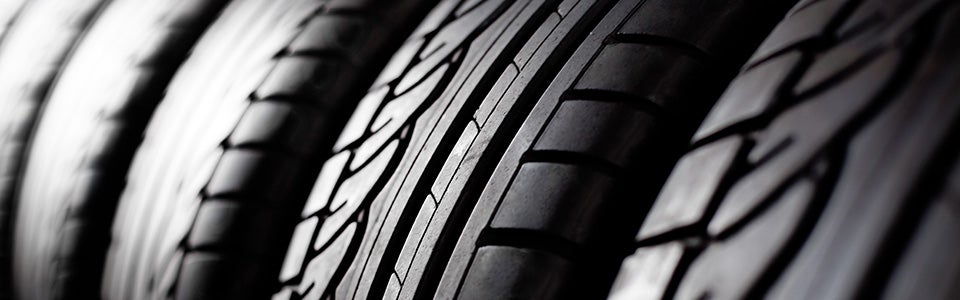
Winter tires use specialized rubber compounds that remain more flexible as temperatures fall, helping maintain better contact with the road. Their unique tread designs also help channel snow, slush, and water away from the tire's surface to improve traction.
When temperatures regularly drop below approximately 45 degrees Fahrenheit, winter tires can provide an advantage over conventional all-season options. Improved grip can make a difference when accelerating, turning, and braking on slippery surfaces.
If your winter plans include mountain travel, snowy highways, or other challenging conditions, talking with the service professionals at Lum's Chevrolet about appropriate winter tire options is a smart place to start.
Give Your Battery and Essential Components Some Attention
Cold temperatures can be especially demanding on your vehicle's battery. As the mercury drops, a battery's ability to deliver power decreases, which can make starting your Chevrolet more difficult. A battery that seems perfectly reliable during warmer months may show signs of weakness when winter arrives.
Having your battery tested before the coldest part of the year can help identify potential problems before they leave you stranded. If your battery is aging or struggling to hold a charge, replacing it ahead of time may save you an inconvenient roadside experience.
There are a few other components worth checking during your seasonal preparation:
- Engine Coolant: Make sure coolant levels and antifreeze protection are appropriate for expected winter temperatures.
- Windshield Wipers: Replace worn blades that leave streaks or struggle to clear moisture. Winter-specific wipers may also help manage snow and ice buildup.
- Washer Fluid: Use a cold-weather windshield washer fluid that is rated for freezing temperatures.
- Exterior Lighting: Check headlights, taillights, and turn signals to ensure you can see and be seen when daylight hours are shorter.
Taking care of these details helps keep your Chevrolet prepared for the challenges that come with winter driving.
Don't Overlook Your Brakes and Drivetrain
Tires and batteries often receive the most attention during winter preparation, but other vehicle systems are just as important.
Your braking system should be inspected to make sure the pads, rotors, and other components are in good condition. Slick pavement can make stopping more challenging, so having properly functioning brakes is essential.
It's also worth checking the operation of your Chevrolet's four-wheel-drive or all-wheel-drive system if your vehicle is equipped with one. These systems can help distribute power and improve vehicle control in certain conditions, but they cannot overcome a lack of tire traction.
Fluid levels, belts, hoses, and other important components should also be reviewed as part of a seasonal inspection. Identifying a developing issue while your vehicle is still at home or in the service department is much easier than dealing with a breakdown during a winter trip.
Schedule a Seasonal Chevrolet Inspection
Preparing for winter doesn't mean replacing every part of your vehicle. Instead, it's about identifying components that may need attention before cold weather puts additional demands on them.
A seasonal service visit can give trained Chevrolet technicians an opportunity to evaluate important systems and recommend maintenance based on your vehicle's condition.
Depending on your needs, a winter inspection may include:
- Battery testing and charging system evaluation
- Tire condition checks and winter tire installation
- Brake system inspection
- Coolant and other essential fluid checks
- Windshield wiper and lighting inspections
- Four-wheel-drive and all-wheel-drive system evaluations
- A comprehensive multi-point vehicle inspection
Having these items checked before winter travel can help you address maintenance needs early and enjoy greater confidence when temperatures drop.
Get Your Chevrolet Winter-Ready at Lum's Chevrolet
Winter driving is easier when you know your vehicle has been properly prepared for the road ahead. Whether you drive a Chevy Silverado, Equinox, Traverse, Tahoe, Blazer, or Colorado, routine seasonal maintenance can help keep important systems operating as they should.
At Lum's Chevrolet, we're here to help drivers in McMinnville, OR, prepare for colder weather with professional Chevrolet service and maintenance. From tire inspections and battery testing to seasonal checkups and other maintenance needs, our team can help you get ready for the months ahead.
Don't wait until freezing temperatures or snowy roads reveal a maintenance problem. Schedule your next service appointment at Lum's Chevrolet and give your Chevy the attention it needs before winter arrives.